Peer-to-Peer Activity: Responding to Pandemics
Overview
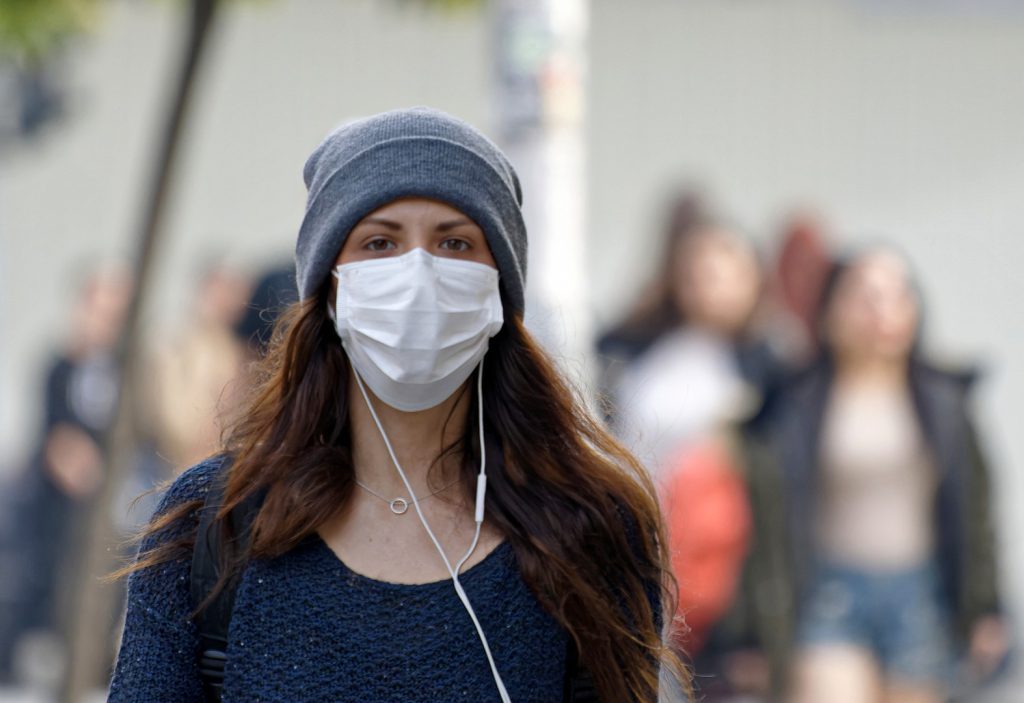
The novel coronavirus poses specific challenges for minorities who often live in overcrowded housing conditions, lack access to health care, or miss important health information because of language barriers. Participants can identify challenges in their local areas and consider actions they can take to ensure equal access for and fair treatment of minorities during a global pandemic or other health crisis.
Step-by-Step Instructions
Discussion Questions
Resources
Facilitator Tips
Faith Quotes
Step-by-Step Instructions
INTRODUCTION
- The novel coronavirus (COVID-19) poses specific challenges for minorities who often live in overcrowded housing conditions, which makes physical distancing and self-isolation difficult. Persons belonging to minorities may also be more likely to be excluded from health care because they lack resources or official documentation, or because of stigma or discrimination. They may also miss important public health messages due to the absence of information about the pandemic in minority languages.
- The Faith for Rights program can include a session dedicated specifically to COVID-19 or other health crises in relation to minority rights, or the topic can be included in discussions in other peer-to-peer activities within Module 6.
- Encourage participants to share their observations about equal access and fair treatment for minorities during the COVID-19 pandemic or other health crisis.
- Use provided statements (under Resources tab) to generate discussion and to encourage action.
DISCUSSION
- Begin a discussion by asking the questions listed under the Discussion Questions tab.
- Consider sharing one or some of the the statements found under the Resources tab. Participants might volunteer to read the statements to the group.
CONCLUSION
- Encourage participants to commit to act in behalf of minorities that may be especially vulnerable during a global pandemic.
- Participants also may share positive messages of inclusion with family, friends, or local communities on social media.
Discussion Questions
- How can religious leaders promote the dissemination of accurate, evidence-based health and scientific information on COVID-19 or another equally threatening illness?
- How can you draw on language from within your faith traditions to promote positive messages that strengthen the protection of universal human rights and affirm the dignity of all people during global crises?
- What actions could you take to protect and care for the vulnerable, particularly minority groups, and to inspire hope and resilience in those affected by COVID-19?
Resources
These statements may be shared to guide discussion and to encourage action.
- The Special Rapporteur on minority issues, Fernand de Varennes (March 2020) made the following statement: “The coronavirus outbreak endangers the health of all of us, with no distinction as to language, religion or ethnicity. But some are more vulnerable than others. All of us can take steps to resist this rise in discriminatory and hate speech against Asian and other minorities in social media”.
- In April 2020, the Special Rapporteur on freedom of religion or belief expressed extreme concerns “that certain religious leaders and politicians continue to exploit the challenging times during this pandemic to spread hatred against Jews and other minorities.” He also called all religious leaders and faith actors to combat incitement to hatred, noting that “Resolution 16/18, United Nations Strategy and Plan of Action on Hate Speech, Rabat Plan of Action, #Faith4Rights toolkit, Fez Plan of action and UNESCO’s program to prevent violent extremism through education are some useful tools for such engagement and education.” He also criticized policies of forced cremation of the deceased, which runs contrary to the beliefs of minorities.
- In its statement on derogations from the Covenant in connection with the COVID-19 pandemic (April 2020), the UN Human Rights Committee stressed that States cannot “tolerate, even in situations of emergency, the advocacy of national, racial or religious hatred that would constitute incitement to discrimination, hostility or violence, and they must take steps to ensure that public discourse in connection with the COVID-19 pandemic does not constitute advocacy and incitement against specific marginalized or vulnerable groups, including minorities and foreigner nationals.”
- The UN Network on Racial Discrimination and the Protection of Minorities noted in its COVID-19 statement (April 2020) that “Political, civic and religious leaders have a crucial role to play in speaking out firmly and promptly against intolerance, discriminatory stereotyping and instances of hate speech. Their actions or inactions can have lasting impacts on overall efforts at ensuring that the pandemic does not deepen inequalities and discrimination.”
- The UN Network flagged on social media: “We need everyone to stand up against discrimination! Racism and discrimination against racial, ethnic and religious minorities are increasingly widespread during the COVID-19 crisis. Now is not the time for division, but to reach out and include those left behind. #FightRacism #StandUp4HumanRights #AllInThisTogether #Faith4Rights”.
- The UN Guidance Note on Addressing and Countering COVID-19 related Hate Speech (May 2020) noted that the consequences of such hate speech “are most severe when it is propagated by political leaders, public officials, religious leaders, and other influencers” and made recommendations to the various stakeholders.
- OHCHR’s guidance on COVID-19 and Minority Rights (June 2020) recommended twelve key actions by States and other stakeholders, including guaranteeing “inclusive dialogue that will help ensure that minority communities implement and adhere to required public health measures voluntarily, including by analyzing how cultural and religious practices may be adapted in response to COVID-19 preventive measures, such as organizing virtual religious services.”
Facilitator Tips
- The #Faith4Rights modules are flexible and require adaptation by the facilitators before their use. Case studies related to peer-to-peer exercises in the 18 modules need to be selected by the facilitators from within the environment where the learning takes place. The #Faith4Rights toolkit is a prototype methodology that requires contextualization, based on the text of the 18 commitments, context, and additional supporting documents.
- Not all issues raised need to be resolved. This would be an impossible and even a counterproductive target. The aim is rather to enhance critical thinking and communication skills, admitting that some questions could receive many answers, depending on numerous factors.
- Tensions may occur during discussions related to “faith” and “rights.” Most of these tensions are due to human interpretations. Learning sessions are spaces for constructive dialogue in a dynamic process where tensions can be reduced with the help of clear methodologies, including pre-emptive situation analysis and evidence of positive results in areas of intersectionality between faith and rights.
- When preparing the sessions, facilitators need to factor in the profile, age, and backgrounds of participants. Focused attention on the learning objectives can transform tensions into constructive exploration of new ideas.
- Meaningful engagement requires democratically pre-established rules. Facilitators should dedicate time with participants to elaborate these rules together at the outset and act all along the training as their custodians.
- The time frames suggested in this #Faith4Rights toolkit are merely indicative. Facilitators may adapt them freely to suit the needs of their group of participants. The key balance is between respecting the overall time frame while not cutting short a positive exchange momentum.
- To ensure optimal and sustainable benefit, facilitators may create a “training notebook” for participants during their peer-to-peer learning sessions. It would contain a compilation of templates to help participants keep track of what they have learned throughout the program and eventually use this notebook as their personalized follow-up tool.
- When technically feasible, facilitators are also advised to project the module under discussion on screen in order to alternate between discussions thereon and showing the audio-visual materials listed in each module or any other items selected by the facilitator.
Faith Quotes
- “Be a lamp, or a lifeboat, or a ladder. Help someone’s soul heal. Walk out of your house like a shepherd.” (Rumi)
- “Your true character is most accurately measured by how you treat those who can do ‘Nothing’ for you.” (Mother Theresa)